Carbon neutrality through CO2 removal and valorisation
Repsol and Galp looked for technologies to capture, use and remove CO2 on the way to a low-emission energy model, with a €50,000 prize for the winning team.


- Sector
- Energy & carbon capture
- TRL
- TRL 3-4 and above
- Deadline
- 11 November 2022 (closed)
Why an innovation call?
The transition to a low-emission energy model will require multiple technological solutions, including CO2 capture and utilisation (CCU). Its deployment will be key to reaching zero emissions targets by 2050, as it reduces existing emissions and enables net removal of emissions from the atmosphere.
To be neutral in carbon intensity, it will not be enough to stop emitting CO2. Technology will be needed to capture and reuse it, to find new ways of generating and consuming energy and to create new products from waste, such as biofuels (from biological waste) or synthetic fuels (from captured CO2 and renewable hydrogen).
Repsol aims to become a zero net emissions company by 2050, and estimates that up to 90% of its decarbonisation is technology-based. Galp commits to reduce the CO2 intensity of its operations by 40% by the end of the decade and to be carbon neutral by 2050.
The two global energy leaders joined forces to launch this challenge to develop and scale CO2 utilisation and carbon removal technologies, and to position the city of Sines (Portugal) as a leading industrial pole for carbon management technologies.
What were we looking for?
Repsol and Galp called on entrepreneurs, startups, and research and innovation centres offering innovative solutions in carbon capture and utilisation (CCU) or carbon dioxide removal (CDR).
CO2 conversion and mineralisation
New catalytic routes for CO2 conversion into chemicals, and CO2 mineralisation.
CO2 and H2 products
Combining CO2 and H2 utilisation, and innovative products from CO2 (proteins, e-fuels, etc.).
Direct and ocean capture
Improving Direct Air Capture, and blue carbon technologies (ocean capture).
Biomass and soil sequestration
Biomass utilisation and soil sequestration (BECCS, biochar, etc.).
Am I eligible?
The challenge was open to startups, SMEs, university projects and innovation centres with a solution at experimental proof-of-concept stage or beyond.
Startups, SMEs and research
Applications from startups, SMEs, university projects and innovation centres were accepted.
At least TRL 3-4
Your technology has reached experimental proof-of-concept.
Win a unique chance to rapidly scale
Selected applicants could get tailored prizes and were in the best position to start a collaboration with Repsol and/or Galp.

€50,000 for the winning team
A €50,000 prize for the winning team.
Research funding
Research funding through grants and sponsorship for universities and researchers.
PoC funding
Opportunities for proof-of-concept funding.
Industrial strategic support
Strategic support from two global energy leaders.
Global business network
Connection to a global business network.
How the challenge ran
From the Ask Me Anything session to the winners' announcement, the challenge ran from October to December 2022.
Ask Me Anything session
A live session with the Repsol and Galp team to answer questions about the challenge.
Applications close
Last day to submit an application.
Jury selection
The jury selects the most promising projects.
Winners announced
Winners are announced at a dedicated event with corporate stakeholders.
Organised by

Repsol
A global multi-energy company leading the energy transition with the ambition of zero net emissions by 2050. Its Repsol Technology Lab works through open innovation with startups, universities and research centres.

Galp
An international player in energy and mobility, committed to carbon neutrality by 2050. Through Galp Upcoming Energies, it aims to invest about 180 million euros in innovation projects by the end of 2025.
Your questions about the challenge
For any other question, contact Lucas Maurice (lucas.maurice@hello-tomorrow.org).
Who could apply?
Startups, SMEs, university projects and innovation centres with a technology at TRL 3-4 (experimental proof-of-concept) or above.
Which technologies were in scope?
Carbon capture and utilisation (catalytic CO2 conversion, mineralisation, CO2 and H2 utilisation, products from CO2) and carbon dioxide removal (Direct Air Capture, ocean capture, BECCS, biochar and soil sequestration).
What was the prize?
€50,000 for the winning team, plus research funding for universities and researchers, PoC funding, industrial strategic support and connection to a global business network.
Who can I contact for more information?
Lucas Maurice (lucas.maurice@hello-tomorrow.org).
Explore past calls
See the open innovation calls we have run with corporations and public partners.

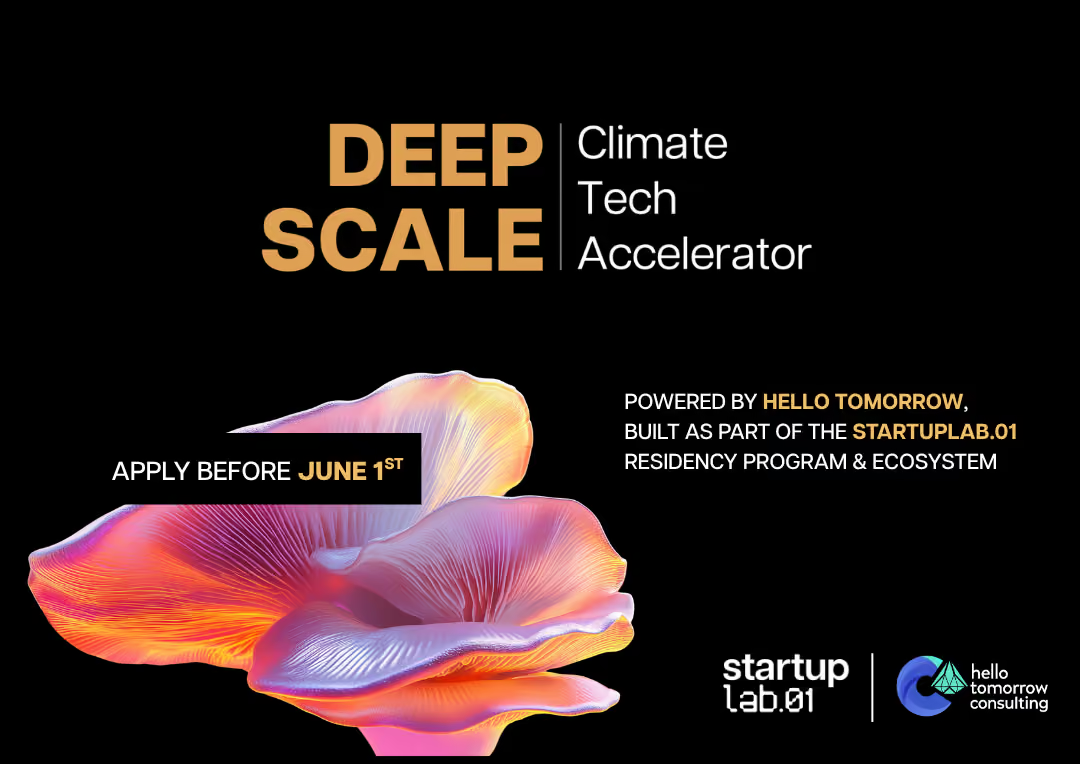
Deep Scale Climate Tech Accelerator
A climate tech acceleration programme bridging Latin America with global deep tech ecosystems, with lab access in Chile and international expansion support.
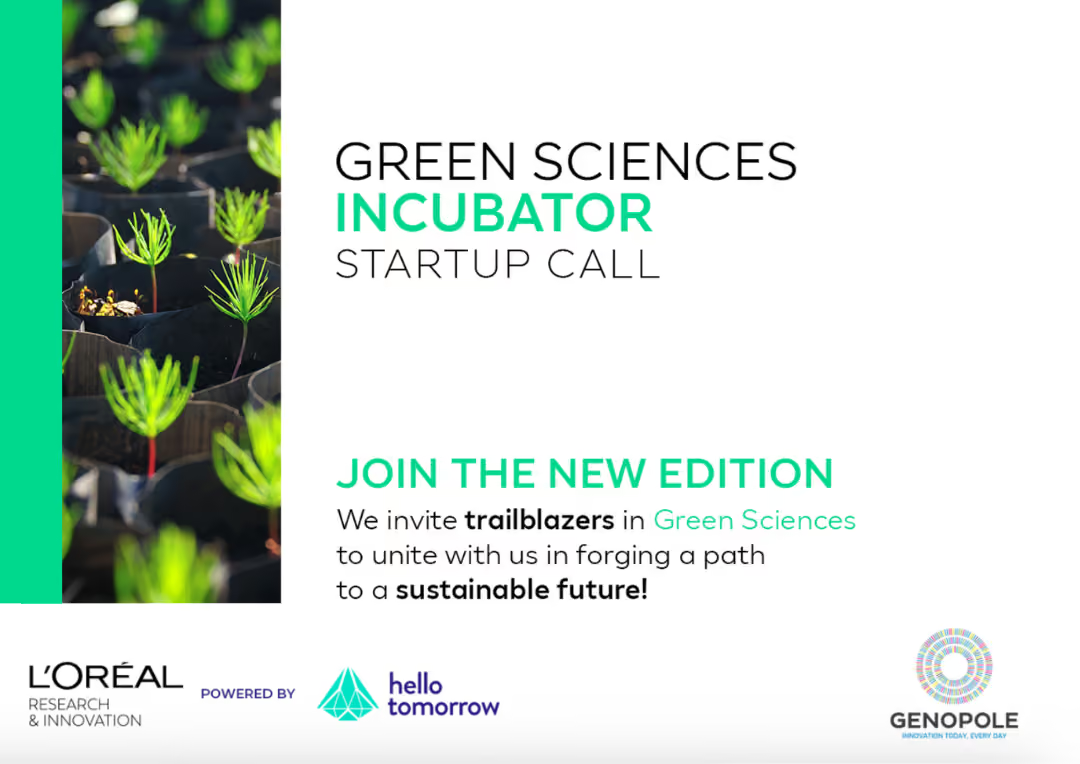
L'Oréal GSI Startup Call 2026
L'Oréal's Green Sciences Incubator and Genopole looked for alternative carbon sources and sustainable ingredients for cosmetics.
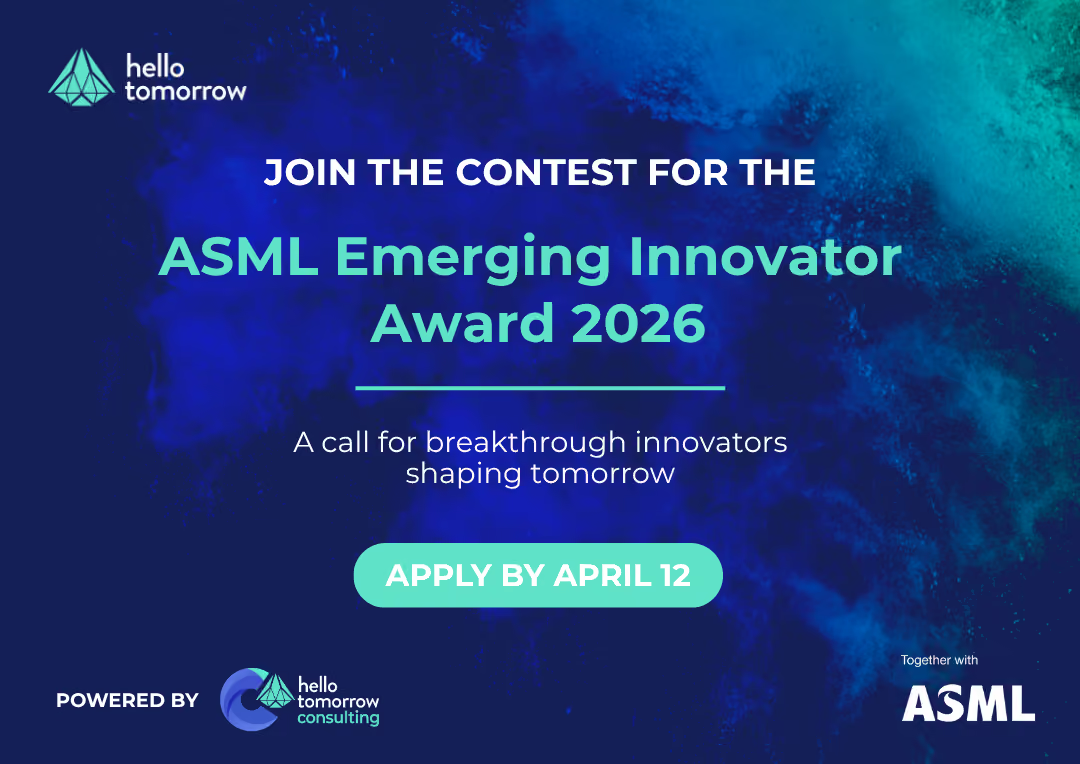
ASML Emerging Innovator Award 2026
A global contest by ASML for startups building breakthrough technologies for next-generation high-tech and complex systems.
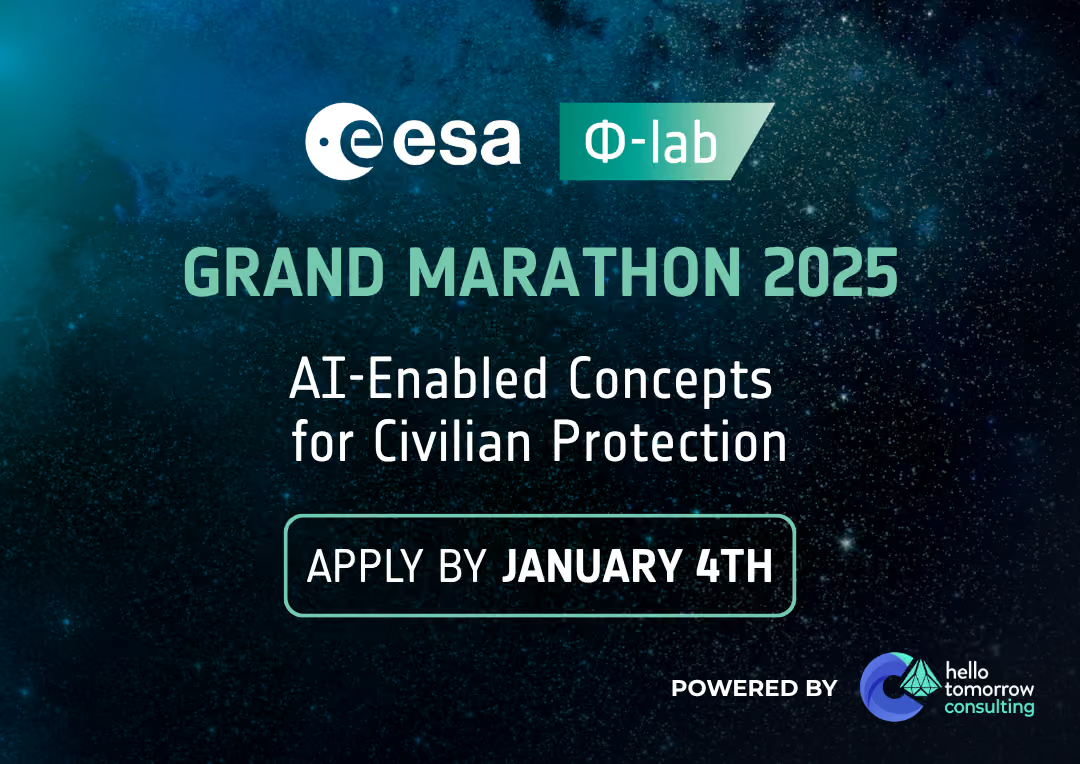
ESA Φ-lab Grand Marathon 2025
AI-enabled Earth Observation concepts to protect civilians in conflict and disaster zones. Up to €215K in cumulative prizes.
Applications are closed
The Repsol and Galp challenge looked for CO2 removal and valorisation technologies. Discover our open calls or contact us to hear about the next ones.